Story at a glance
- Department
- Citrus Heights Police Department
- Community
- Citrus Heights, California
- Launch coverage
- July 28, 2026
- Access
- Department reporting website
- Independent coverage
- CBS Sacramento
Key ideas
- Residents answer questions that adapt to the incident they describe.
- Relevant details are gathered before the interaction is submitted.
- Eligible examples at launch included shoplifting, vehicle break-ins, vandalism, hit-and-run incidents, and neighborhood traffic safety concerns.
- Department personnel remain responsible for reviewing submitted information.
A new public front door
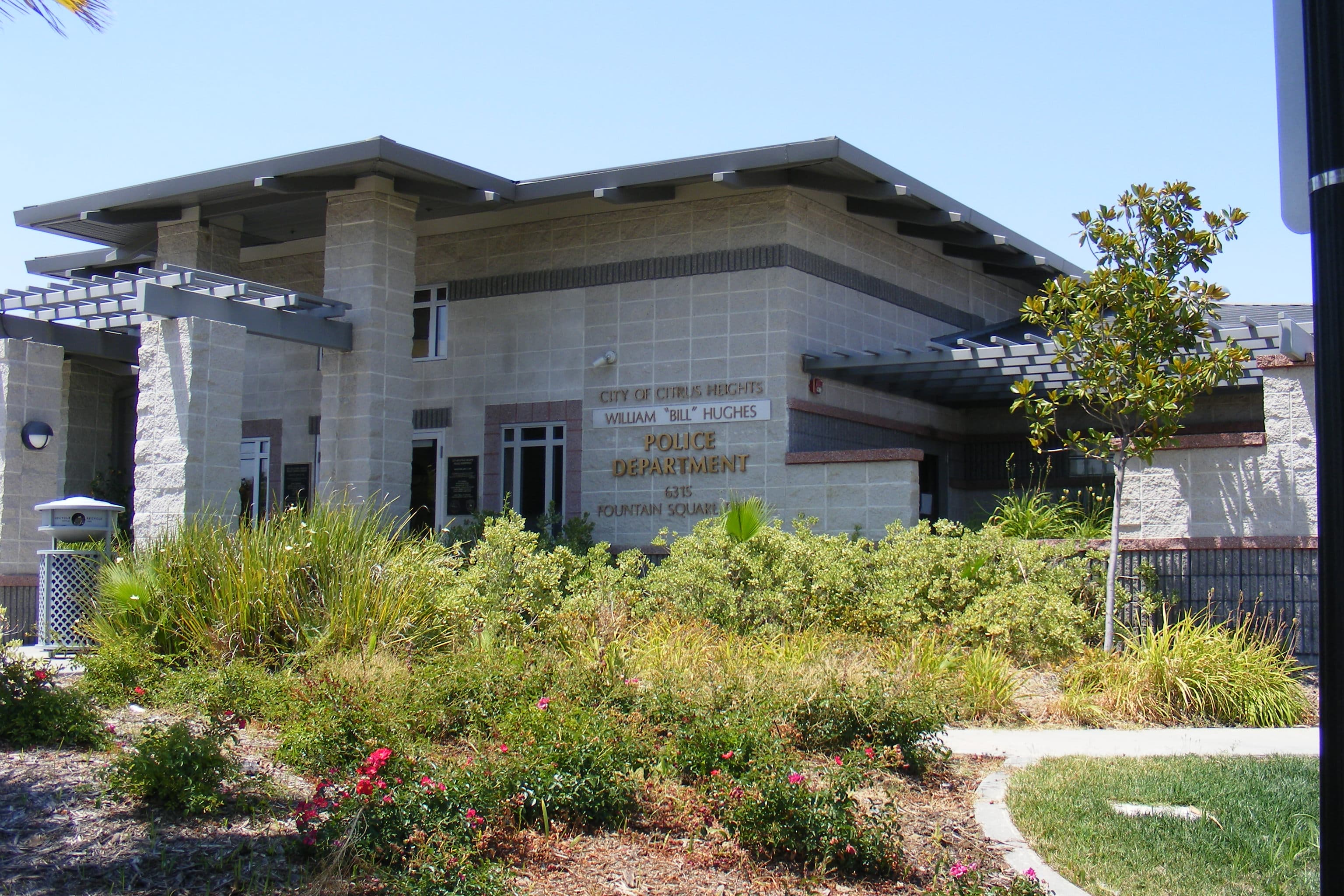
In July 2026, Citrus Heights Police Department introduced OneReport as a new way for residents to share information about eligible incidents that had already occurred. CBS Sacramento reported on the launch and the department’s decision to use an interactive reporting experience instead of relying only on a conventional form.
The distinction matters. A link may make reporting available online, but availability alone does not guarantee that the department receives a clear account. OneReport is designed to make the interaction useful on both sides: approachable for the person describing what happened and structured enough to support department review.
- Residents answer questions that adapt to the incident they describe.
- Relevant details are gathered before the interaction is submitted.
- Eligible examples at launch included shoplifting, vehicle break-ins, vandalism, hit-and-run incidents, and neighborhood traffic safety concerns.
- Department personnel remain responsible for reviewing submitted information.
The conversation gathers what a form can miss
An incident rarely arrives in the tidy order of a records system. A resident may begin with a missing item, then mention damage to a vehicle, a nearby camera, or a time window that changes as they remember what happened. A static form can force those facts into a path selected before the full story is understood.
Conversational intake works in the opposite direction. It begins with the account, recognizes details as they emerge, and asks the next question needed to clarify them. That can help establish people, property, locations, timelines, and available evidence while the resident still has the event in front of them.
Human review remains part of the workflow
CBS Sacramento reported that completed interactions are sent to Citrus Heights Police for review. That handoff is central to the design. OneReport can listen, organize, and prepare information, but agency personnel decide whether the record is complete, correctly routed, and ready to move forward.
The department also emphasized that the technology is intended to support personnel, not replace them. A useful intake agent gives reviewers more context: the resident’s original account, the details gathered through follow-up questions, and structured information that can be checked and corrected before approval.
The operational lesson
This launch represents more than another reporting channel. It shows how a department can stay connected to residents while improving the information available for the work that follows. The public experience and the internal workflow are two parts of the same system.
When access is easier and the first interaction gathers stronger information, a department has a better starting point for review, records, investigation, analysis, and resource decisions. That is the role OneReport is built to serve: a virtual officer at the public front door, with clear boundaries and people in control of the official record.
Reporting notes
This story is based on public launch reporting and describes the announced workflow. It does not present post-launch outcome metrics.